Brandt will have to play 29 holes today, and in this short video he talked about what he needed to do to play well. I'm posting it because this is good advice, no matter what your tough conditions are.
If you know beforehand that you're going to be in tiring conditions, make sure you get enough rest before you go out.
Most weekend players don't realize you can dehydrate just as badly in cold weather as in hot weather, in wet weather as well as in dry weather. Your body needs water no matter what the conditions are. (And food too. Taking some easy-to-digest snacks along is a good idea as well.)
And finally, avoid "mental lapses." In other words, you'd like to have a plan before you tee off and then stick to it. When you're tired and/or dehydrated, your mind can wander more than usual. If you're in decent shape, you're more likely to make mental mistakes than physical ones.
We'll have to see how well Brandt follows his own advice today. The weather looks iffy again, so he'll have the double challenge of playing more holes than normal and doing so in tough conditions. That three-shot lead may not seem as big by the time he reaches the final nine.

Showing posts with label strategy. Show all posts
Showing posts with label strategy. Show all posts
Sunday, August 19, 2018

Friday, August 17, 2018
59 Watches Everywhere! (Video)
It started when Angel Yin shot 29 on her first nine holes to start the 59 watch at the LPGA event. She didn't make it -- she finished at 64 (-8), a personal best for her -- but that was exciting.
Then Lizette Salas got the 59 watch, but she finished at 62 (-10) to take the lead.
Derek Ernest also got the 59 watch at the Web.com Tour event. He finished at 61 (-10).
But Brandt Snedeker did more than get the 59 watch in Greensboro. He GOT the 59 (-11)! Here's his interview with Lisa Cornwell.
What I'd like you to get from this is that Brandt didn't do what many players try to do. Once he knew he had a chance at 59 -- he says it was at the 16th green, when he knew he was one shot away with two holes to go -- he didn't pretend that it wasn't happening. He embraced it and made a plan.
In Brandt's case, that was simply to get a tee shot in the fairway. He had been there before and had played too timidly. He knew his wedges and his putting are his strengths, so he played to those strengths. He would give himself a wedge shot to the green, try to put it where he would have an uphill putt (so he could putt it firmly) and then, when he needed the putt on the final hole, he decided he would go for the birdie and not worry what he might make if he didn't get it. He didn't smash the ball too hard, but he made sure it got to the hole.
He wanted that 59, and he played to get it. And, because he had been there before and failed to get it done, he had a good idea of what he needed to do.
Those are things you can learn from as you try to get better during your rounds. Know what you need to do, play to your strengths and don't worry about what happens if you don't get the results you want. If you get in that position enough times, you'll eventually break through.
Then Lizette Salas got the 59 watch, but she finished at 62 (-10) to take the lead.
Derek Ernest also got the 59 watch at the Web.com Tour event. He finished at 61 (-10).
But Brandt Snedeker did more than get the 59 watch in Greensboro. He GOT the 59 (-11)! Here's his interview with Lisa Cornwell.
What I'd like you to get from this is that Brandt didn't do what many players try to do. Once he knew he had a chance at 59 -- he says it was at the 16th green, when he knew he was one shot away with two holes to go -- he didn't pretend that it wasn't happening. He embraced it and made a plan.
In Brandt's case, that was simply to get a tee shot in the fairway. He had been there before and had played too timidly. He knew his wedges and his putting are his strengths, so he played to those strengths. He would give himself a wedge shot to the green, try to put it where he would have an uphill putt (so he could putt it firmly) and then, when he needed the putt on the final hole, he decided he would go for the birdie and not worry what he might make if he didn't get it. He didn't smash the ball too hard, but he made sure it got to the hole.
He wanted that 59, and he played to get it. And, because he had been there before and failed to get it done, he had a good idea of what he needed to do.
Those are things you can learn from as you try to get better during your rounds. Know what you need to do, play to your strengths and don't worry about what happens if you don't get the results you want. If you get in that position enough times, you'll eventually break through.
Thursday, August 16, 2018
Thinking Your Way to Breaking 90
Most of the time I write about improving your mechanics or related subjects. Today I want to talk about strategy, and specifically for those of you who are struggling to break 90. That seems to be a mental barrier for many weekend players but, once you learn how to do it consistently, even breaking 80 doesn't seem that far away.
A couple of years ago I wrote a post called A Different Approach to Breaking 90. It introduced the concept of "level fives" from a book called (appropriately enough) How to Break 90. The idea is simply that if you average five strokes for 18 holes, you shoot 90. And the book included a quote which, while obvious, may never have occurred to you:
By all means, go back and read the post I linked to earlier in this one. Today I'd like to put some numbers to this line of thought. Perhaps it will make the strategy that much clearer to you.
Let's forget about your driver for a moment, maybe even your 3-wood. Do you have a club that you can hit 170-180 yards with reasonable consistency? By "reasonable consistency" I mean you can hit it pretty much that same distance time after time, and you have a decent chance to put it in the fairway each time. It might be a 3-hybrid, or maybe a 7-wood. (For some of you big hitters, it might be just an 8-iron or 7-iron. Whatever.) Let's do a little simple math here.:
I'll be able to reach a 510-yard par-5 with three shots. If the par-5 is shorter than that, it's two 7-woods and a shorter club. If the par-5 is longer, it's three 7-woods and (probably) a chip or pitch. If my short game is just decent, that should give me a good chance at a bogey six at worse.
I'll be able to reach a 340-yard par-4 in two shots. If the par-4 is shorter than that, it's one 7-wood and a shorter club. If the par-4 is longer, it's two 7-woods and a shorter club. On a lot of those longer holes the third shot will only be a chip or pitch. Again, if my short game is any good, I should have a good chance to walk off with a bogey five at worse.
And even on a long par-3, I'm probably just looking at one 7-wood and a chip or pitch, and I walk off with a bogey four at worse.
If we make a couple of putts somewhere along the way, we could break 90 by two or three shots. And not once will we have had to use one of our longer woods -- you know, the clubs we keep hitting into the rough.
Even if you don't use this strategy on every hole, it's a good one to try on holes on which you consistently find yourself making double-bogey or worse.
Remember: Many times, bad scores are not the result of poor play so much as of poor thinking.
A couple of years ago I wrote a post called A Different Approach to Breaking 90. It introduced the concept of "level fives" from a book called (appropriately enough) How to Break 90. The idea is simply that if you average five strokes for 18 holes, you shoot 90. And the book included a quote which, while obvious, may never have occurred to you:
Consider, if you will, that on a par-72 course you can bogey 17 of the 18 holes and still break 90.As I said, obvious but probably something that never occurs to most golfers who are trying to break 90 for the first time.
By all means, go back and read the post I linked to earlier in this one. Today I'd like to put some numbers to this line of thought. Perhaps it will make the strategy that much clearer to you.
Let's forget about your driver for a moment, maybe even your 3-wood. Do you have a club that you can hit 170-180 yards with reasonable consistency? By "reasonable consistency" I mean you can hit it pretty much that same distance time after time, and you have a decent chance to put it in the fairway each time. It might be a 3-hybrid, or maybe a 7-wood. (For some of you big hitters, it might be just an 8-iron or 7-iron. Whatever.) Let's do a little simple math here.:
- Two 170-yard shots travel 340 yards.
- Three 170-yard shots travel 510 yards.
- Two 180-yard shots travel 360 yards.
- Three 180-yard shots travel 540 yards.
I'll be able to reach a 510-yard par-5 with three shots. If the par-5 is shorter than that, it's two 7-woods and a shorter club. If the par-5 is longer, it's three 7-woods and (probably) a chip or pitch. If my short game is just decent, that should give me a good chance at a bogey six at worse.
I'll be able to reach a 340-yard par-4 in two shots. If the par-4 is shorter than that, it's one 7-wood and a shorter club. If the par-4 is longer, it's two 7-woods and a shorter club. On a lot of those longer holes the third shot will only be a chip or pitch. Again, if my short game is any good, I should have a good chance to walk off with a bogey five at worse.
And even on a long par-3, I'm probably just looking at one 7-wood and a chip or pitch, and I walk off with a bogey four at worse.
If we make a couple of putts somewhere along the way, we could break 90 by two or three shots. And not once will we have had to use one of our longer woods -- you know, the clubs we keep hitting into the rough.
Even if you don't use this strategy on every hole, it's a good one to try on holes on which you consistently find yourself making double-bogey or worse.
Remember: Many times, bad scores are not the result of poor play so much as of poor thinking.
Saturday, June 23, 2018
Fred Funk on Hitting Longer Drives (Video)
I'm posting this older GCA clip with Fred Funk because he has a very different take on getting extra distance from your drive. Bear in mind that Fred isn't the longest hitter to begin with, so this tip may surprise you.
In a time when we're being told that the way to get distance is to "tee it high and let it fly," Fred doesn't follow this advice unless he particularly wants a high shot. When he wants a long drive, he tees it LOW so he'll get more roll. Based on the quick shot of how low he tees the ball, I'd say he has only a quarter to a third of the ball above the top of his driver, not half the ball as most instructors suggest.
Note that Fred's advice won't help you if the fairways are wet. In that case, your distance will come mostly from the amount of carry you get. This is clearly a tip for use on firm fairways where you can count on a bounce or two, as well as some roll. It might also help when you're playing into a wind.
In any case, remember that the best way to get distance on your drive depends as much on the CONDITIONS as on the equipment and technique. Sometimes you want to tee it high, sometimes you want to tee it low, and sometimes you'll get more distance with a 3-wood than a driver. (It's a bit easier to draw the ball with 3-wood, and easier to fade the ball with a driver.) Take a moment to plan your strategy before you tee it up, and you'll be rewarded.
In a time when we're being told that the way to get distance is to "tee it high and let it fly," Fred doesn't follow this advice unless he particularly wants a high shot. When he wants a long drive, he tees it LOW so he'll get more roll. Based on the quick shot of how low he tees the ball, I'd say he has only a quarter to a third of the ball above the top of his driver, not half the ball as most instructors suggest.
Note that Fred's advice won't help you if the fairways are wet. In that case, your distance will come mostly from the amount of carry you get. This is clearly a tip for use on firm fairways where you can count on a bounce or two, as well as some roll. It might also help when you're playing into a wind.
In any case, remember that the best way to get distance on your drive depends as much on the CONDITIONS as on the equipment and technique. Sometimes you want to tee it high, sometimes you want to tee it low, and sometimes you'll get more distance with a 3-wood than a driver. (It's a bit easier to draw the ball with 3-wood, and easier to fade the ball with a driver.) Take a moment to plan your strategy before you tee it up, and you'll be rewarded.
Sunday, June 3, 2018
Johnny Miller on Trevino's Signature Move (Video)
Yes, I'm on a "tip trip" this week because I don't have any other topic that has grabbed me. So today I'm posting an old Golfweek video featuring Johnny Miller talking about Lee Trevino's signature move.
Miller says that what made Trevino's swing unique was the way he "chased" the clubhead down his aimline, keeping the clubface moving toward his target longer than most players.
But what I want to focus on is how Trevino finished his shots, because it can help you hit a low-trajectory fade. For many of you, this is the "go-to" shot you're looking for when you need help hitting the fairway. Johnny demonstrates this around the 2:00 minute mark in the video.
The key is that, when he finishes his shot, he has shortened the swing slightly and the shaft is leaning toward his target line, almost parallel to his spine. That's a simple concept and, although it may take you a bit of practice to master, it can be a very useful go-to shot when the landing area is tight.
This isn't the kind of shot you're going to hit a super long distance. Go-to shots rarely are. But this is something you can hit with any club in the bag, from almost any lie, and get a playable result. Having a shot like that in your repertoire is a great strategy move that can really save you some strokes.
Miller says that what made Trevino's swing unique was the way he "chased" the clubhead down his aimline, keeping the clubface moving toward his target longer than most players.
But what I want to focus on is how Trevino finished his shots, because it can help you hit a low-trajectory fade. For many of you, this is the "go-to" shot you're looking for when you need help hitting the fairway. Johnny demonstrates this around the 2:00 minute mark in the video.
The key is that, when he finishes his shot, he has shortened the swing slightly and the shaft is leaning toward his target line, almost parallel to his spine. That's a simple concept and, although it may take you a bit of practice to master, it can be a very useful go-to shot when the landing area is tight.
This isn't the kind of shot you're going to hit a super long distance. Go-to shots rarely are. But this is something you can hit with any club in the bag, from almost any lie, and get a playable result. Having a shot like that in your repertoire is a great strategy move that can really save you some strokes.
Sunday, May 20, 2018
Kathy Hart Wood on Chipping with a Hybrid (Video)
This video from LPGA teaching pro Kathy Hart Wood focuses on chipping with a hybrid but -- at least to me -- this video seems to take a different tack than others on the topic. Here, take a look:
There are two important things for you to note here.
You stand closer to the ball as a result, so you might have to bend your elbows outward a bit, and you want the ball just ahead of the center of your stance. She says your eyes will be over the ball; that means your weight is slightly on your lead foot. Nothing complicated here, just standard short game technique but using your putting stroke.
As for chipping from the fairway with your hybrid -- and again, note that she is using a 4- or 5-hybrid -- this is a strategy play, something you use as a conscious decision and not just because "I always chip with my hybrid." She is using this technique when she's got some ground to cover with the chip.
Very basic info here but, as we have seen with Jordan Spieth's putting struggles lately, basic stuff is usually what goes wrong when our games get out of whack. You won't find a much simpler explanation of hybrid chipping than in this Wood video.
There are two important things for you to note here.
- First, playing a hybrid well is mostly a matter of setup. She devotes most of this video to proper setup, so you want to pay attention to that.
- Second -- and I want to stress this, since this stood out to me in her presentation -- this is NOT a shot that you want to use out of the rough. Many times "hybrid chipping" is offered as a generic alternative for dealing with chipping problems, but it's not. Kathy stresses using this method from the short grass and, as you can see, she can use it from quite a distance from the hole!
You stand closer to the ball as a result, so you might have to bend your elbows outward a bit, and you want the ball just ahead of the center of your stance. She says your eyes will be over the ball; that means your weight is slightly on your lead foot. Nothing complicated here, just standard short game technique but using your putting stroke.
As for chipping from the fairway with your hybrid -- and again, note that she is using a 4- or 5-hybrid -- this is a strategy play, something you use as a conscious decision and not just because "I always chip with my hybrid." She is using this technique when she's got some ground to cover with the chip.
Very basic info here but, as we have seen with Jordan Spieth's putting struggles lately, basic stuff is usually what goes wrong when our games get out of whack. You won't find a much simpler explanation of hybrid chipping than in this Wood video.
Friday, April 13, 2018
The New Patrick Reed Mental Game
Today I'm linking you to Tim Rosaforte's GC article on how Patrick Reed prepared for the Masters last week. This is a more detailed look at the process he followed than the What Patrick Reed Did Differently This Week post I put up last week.
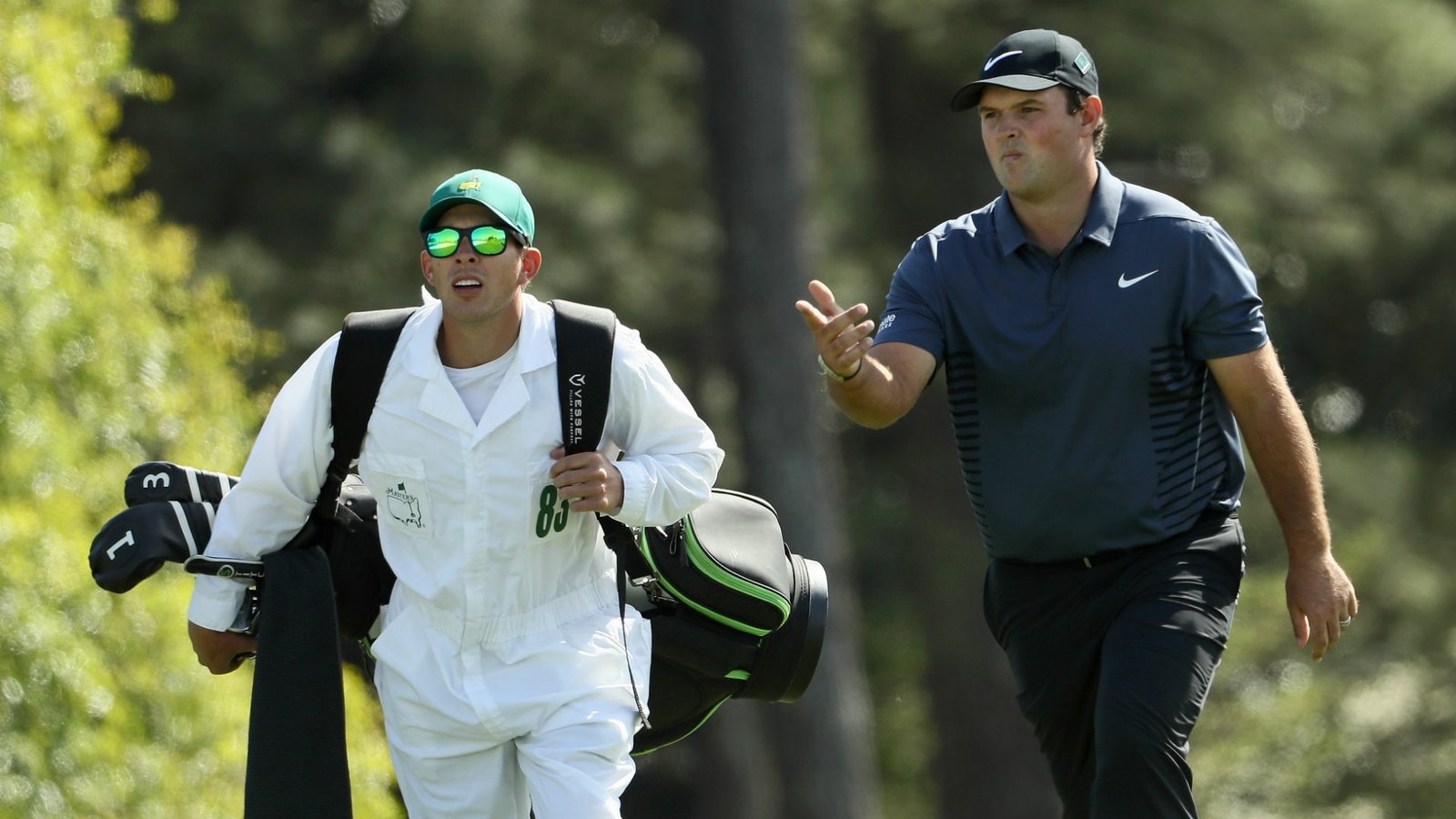
Here's something that particularly stood out to me:
The article is an in-depth interview with Reed's coach Kevin Kirk, and it's a great reminder of how tough it can be at Augusta. Reed enlisted the sports psychologist who helped the NBA's Golden State Warriors win their two recent World Championships in 2015 and 2017. And Rosaforte has details on Reed's practice sessions and such.
A fascinating read (Reed?) about how a guy that few gave a chance to win became the newest Masters champion. Great work by Tim Rosaforte.
Here's something that particularly stood out to me:
These were not the typical practice sessions you see before major championships. Instead of playing the course, they walked the course, letting groups play through. Kirk estimates that Reed only hit 30 shots, but must have putted 5,000 times in the eight-hour shift on Wednesday. Reed took copious notes in his yardage book, indicating the pin placements, fall lines, wind directions and the best shot shapes for every scenario. At 7 p.m. ET, one of the club’s assistant pros came out to politely inform them that the course was closed. As Kirk remembered it, “The kid said, ‘I hate to tell you this, but I’ve got to ask you guys to leave.’”Only 30 shots, but thousands of putts over eight hours! That's some serious prep on the greens.
The article is an in-depth interview with Reed's coach Kevin Kirk, and it's a great reminder of how tough it can be at Augusta. Reed enlisted the sports psychologist who helped the NBA's Golden State Warriors win their two recent World Championships in 2015 and 2017. And Rosaforte has details on Reed's practice sessions and such.
A fascinating read (Reed?) about how a guy that few gave a chance to win became the newest Masters champion. Great work by Tim Rosaforte.
Saturday, April 7, 2018
What Patrick Reed Did Differently This Week
Golf Magazine posted an article late Friday examining why Patrick Reed is playing better in this Masters than in past majors. It's an interesting look at how his preparation has changed after a talk with his coach, Kevin Kirk. I'm going to pull a couple of quotes for this post.
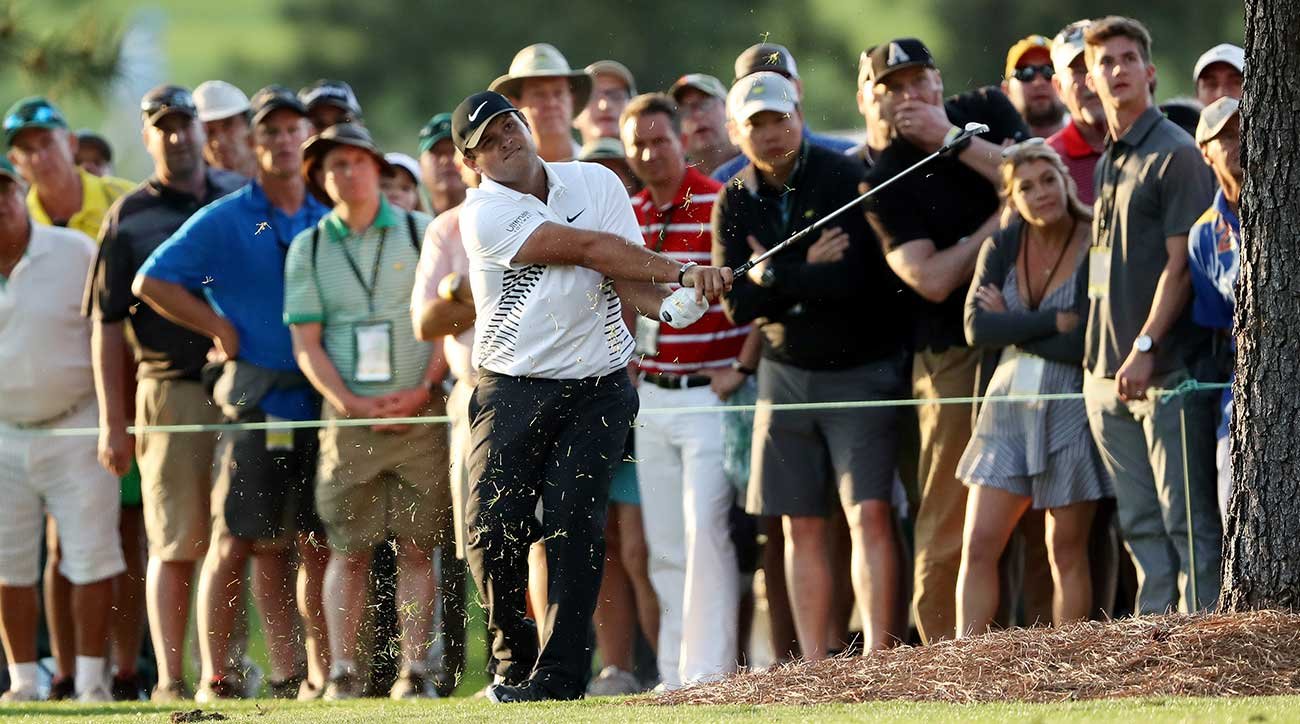
Early on, the article quotes Kirk:
But, as you no doubt have guessed, you'll need to read the article to get all that. And in the process, you just might pick up a few pointers you can use in your own game.
Early on, the article quotes Kirk:
"I told him in Mexico that his golf game reminds me of when someone leaves an oven on in a house," said his coach Kevin Kirk, who has grooved Reed's swing since 2011. "All you have to do is light a match."Later on, we learn what happened when Reed arrived at Augusta:
With his swing clicking, he arrived in town last week, and rather than killing time on mechanics, he and his coach took a deeper dive on the course itself. On Reed's first practice day at Augusta, he spent eight hours on the course but played just four holes: 1, 2, 12 and 13. "We read the slopes, practiced at the pin positions, formed plans for different winds," Kirk said. "In his mind, he's ready."There's a lot more to Reed's preparation than just focusing on four holes, of course. He arrived at the course last Friday and has been at work ever since. The article goes into a fair amount of detail about the strategic work he did, as well as his mindset for using that strategy this weekend.
But, as you no doubt have guessed, you'll need to read the article to get all that. And in the process, you just might pick up a few pointers you can use in your own game.
Tuesday, April 3, 2018
Things We Can Learn from Pernilla Lindberg
I hope you all got to watch Pernilla Lindberg and Inbee Park's final four holes on Monday morning. It was pretty impressive, especially as Pernilla continued to make critical putt after critical putt, finally sinking a long one at the 10th hole (playoff hole #8). Inbee finally flinched, giving Pernilla the win.

Her caddy, who also happens to be her fiance Daniel Taylor, was also pretty impressive as he dove headfirst into Poppie's Pond.

Anyway, I thought I'd take a quick look at some things we can learn from Pernilla. First, a look at her pre-shot routine.
Those of you who follow my blog regularly probably know that I'm not a big fan of pre-shot routines -- I think they have become an excuse to avoid hitting your shot. Pernilla's is different though. She seems to use her routine almost purely to get her alignment correct.
I looked all over for a video of her current routine and couldn't find one. This video from 2014 is a little different but it's the best I could do, and you really only see her routine twice -- once at the beginning of the video and once at the end. Still, you can see that she sets her ball position, then spreads her feet, lifts her club and bumps her lead hip toward the target, then addresses the ball and makes her swing.
Her current "club lift and hip bump" is a bit more formal, and she uses a couple more club lifts instead of a waggle, but this is essentially the same that she did before each wood and hybrid shot all week. (She doesn't bump her hip on the irons, probably because she's more concerned with accuracy than distance when hitting those clubs.)
You can also learn from her strategy. She (and Inbee too, for that matter) played each hole almost the same each time through, both in the regular tournament and in the playoff. The only variation I recall happened on the 7th playoff hole Monday morning -- that's the par-5 18th -- where Pernilla got her drive close enough to go for the green in two. She didn't get close enough for a realistic chance for eagle, but she did put the ball safely on the green and walked away with a two-putt birdie.
In other words, she played smart. She played to her strengths and, when she did play an aggressive shot, she missed it in the correct spot so she kept herself in the game.
Finally, her mindset was amazing. Pernilla said she figured out early on that she was the underdog, so she figured she had nothing to lose. She took this as both an opportunity and an honor. She decided to enjoy her chance and just kept grinding. Terry and Judy said it on Monday morning -- even if Pernilla didn't win, she had proven herself and won so much respect that her future in the game would be different anyway!
And when Inbee missed the putt that would have sent the playoff to a 9th hole, Pernilla was visibly shocked. She said afterward that she just assumed Inbee would make the putt, and she was already planning her tee shot for the next hole.
When Inbee missed, Pernilla Lindberg pulled off one of the biggest upsets in recent golf history. And now you know some of the reasons why she did.
Let me add just one more thought on Pernilla's amazing mindset. While most viewers will believe it came from nowhere, it didn't. No doubt many of you will have heard that you "need to pay your dues" before you can earn a win like this. Perhaps that's true.
But "dues" don't have to be "paid" in the same place where they are collected, if you follow what I'm saying.
Business people recognize what they call "transferable skills," which simply means that many seemingly unrelated professions use similar skills. A mother who manages a household with a husband and three kids, planning all the meals and coordinating all the schedules, may turn out to be a skilled office manager. The skills needed for both are essentially the same.
In much the same way, "dues paid" in one area of life can be applied in other areas as well. After all, patience and persistence and the ability to handle pressure are necessary skills in many areas of life, not just golf And once you add Pernilla's considerable experience as a college golfer -- plus her time as a competitive downhill skier, which many folks don't remember -- she's been in some pretty big arenas before, places where those dues would have been paid.
So remember that when you think you can't handle things out on the golf course. You may have more usable experience to draw on than you realize.
The only difference between Pernilla and you is that she knew she had paid her dues.
Her caddy, who also happens to be her fiance Daniel Taylor, was also pretty impressive as he dove headfirst into Poppie's Pond.
Anyway, I thought I'd take a quick look at some things we can learn from Pernilla. First, a look at her pre-shot routine.
Those of you who follow my blog regularly probably know that I'm not a big fan of pre-shot routines -- I think they have become an excuse to avoid hitting your shot. Pernilla's is different though. She seems to use her routine almost purely to get her alignment correct.
I looked all over for a video of her current routine and couldn't find one. This video from 2014 is a little different but it's the best I could do, and you really only see her routine twice -- once at the beginning of the video and once at the end. Still, you can see that she sets her ball position, then spreads her feet, lifts her club and bumps her lead hip toward the target, then addresses the ball and makes her swing.
Her current "club lift and hip bump" is a bit more formal, and she uses a couple more club lifts instead of a waggle, but this is essentially the same that she did before each wood and hybrid shot all week. (She doesn't bump her hip on the irons, probably because she's more concerned with accuracy than distance when hitting those clubs.)
You can also learn from her strategy. She (and Inbee too, for that matter) played each hole almost the same each time through, both in the regular tournament and in the playoff. The only variation I recall happened on the 7th playoff hole Monday morning -- that's the par-5 18th -- where Pernilla got her drive close enough to go for the green in two. She didn't get close enough for a realistic chance for eagle, but she did put the ball safely on the green and walked away with a two-putt birdie.
In other words, she played smart. She played to her strengths and, when she did play an aggressive shot, she missed it in the correct spot so she kept herself in the game.
Finally, her mindset was amazing. Pernilla said she figured out early on that she was the underdog, so she figured she had nothing to lose. She took this as both an opportunity and an honor. She decided to enjoy her chance and just kept grinding. Terry and Judy said it on Monday morning -- even if Pernilla didn't win, she had proven herself and won so much respect that her future in the game would be different anyway!
And when Inbee missed the putt that would have sent the playoff to a 9th hole, Pernilla was visibly shocked. She said afterward that she just assumed Inbee would make the putt, and she was already planning her tee shot for the next hole.
When Inbee missed, Pernilla Lindberg pulled off one of the biggest upsets in recent golf history. And now you know some of the reasons why she did.
Let me add just one more thought on Pernilla's amazing mindset. While most viewers will believe it came from nowhere, it didn't. No doubt many of you will have heard that you "need to pay your dues" before you can earn a win like this. Perhaps that's true.
But "dues" don't have to be "paid" in the same place where they are collected, if you follow what I'm saying.
Business people recognize what they call "transferable skills," which simply means that many seemingly unrelated professions use similar skills. A mother who manages a household with a husband and three kids, planning all the meals and coordinating all the schedules, may turn out to be a skilled office manager. The skills needed for both are essentially the same.
In much the same way, "dues paid" in one area of life can be applied in other areas as well. After all, patience and persistence and the ability to handle pressure are necessary skills in many areas of life, not just golf And once you add Pernilla's considerable experience as a college golfer -- plus her time as a competitive downhill skier, which many folks don't remember -- she's been in some pretty big arenas before, places where those dues would have been paid.
So remember that when you think you can't handle things out on the golf course. You may have more usable experience to draw on than you realize.
The only difference between Pernilla and you is that she knew she had paid her dues.
Saturday, March 31, 2018
Raymond Floyd on Feeling the Target
With all the talk about mental mistakes at the LPGA and PGA Tour events on Friday, I thought it might be worthwhile to look at what Raymond Floyd had to say about the mental game. In his book The Elements of Scoring he has an entire chapter called Let Your Mind Feel the Target that deals with this topic.
Obviously I can't quote an entire chapter! But there are a couple of things he says that I think you could use immediately in your own golf games.
To begin with, he says that we may have the wrong idea about what it means to "play with feel." While it does involve what you feel with your hands to some degree, Floyd says he thinks you use your eyes to play with feel. Things like recognizing shot shapes, improvising swings in tough situations, and such are based on things you see, not things you can touch. He believes this is why so many pros have begun using mental coaches —you need to get out of your own way and give your mind more freedom, more trust to make the right decisions.
Then he says this about what we commonly call "target golf":
And I'm not even sure he's talking about visualization here. I haven't thrown any spears that I can remember, but I have thrown baseballs and discs and hit a few tennis shots and made a few free throws on a basketball court. I can't say that I actually visualize those actions. Rather, I identify my target and anything that might be in the way that I have to avoid, and then I just think about hitting my target. There must be some visualizing in there — I'm seeing things I have to avoid, after all — but it's not a conscious act. I just notice them.
I suspect that's part of why so many of us have trouble with target golf. We try to see lines curving through the sky and other things like that. But that may have the same effect as too many words. Perhaps we just need to "see and do." That certainly sounds like what Floyd is suggesting.
Here's an idea: Next time you need to play a shot — say, a low shot — just try swinging the club at an imaginary ball and imagine the ball coming off the face low when you swing. I bet your hands and arms will adjust to create the shot. If you then try to duplicate that shot without an undue amount of thought, you might pull it off. Maybe not the first time, because learning to play by feel comes from practice. But you might be more successful than you expect.
No lines curving through space, no elaborate body positioning. Just pretend you're Bubba. Playing that game on the range might teach you some new things about shotmaking.
Obviously I can't quote an entire chapter! But there are a couple of things he says that I think you could use immediately in your own golf games.
To begin with, he says that we may have the wrong idea about what it means to "play with feel." While it does involve what you feel with your hands to some degree, Floyd says he thinks you use your eyes to play with feel. Things like recognizing shot shapes, improvising swings in tough situations, and such are based on things you see, not things you can touch. He believes this is why so many pros have begun using mental coaches —you need to get out of your own way and give your mind more freedom, more trust to make the right decisions.
Then he says this about what we commonly call "target golf":
As a scorer, your goal on the course should be to just play golf. Even though golf is a slow game that allows plenty of time to think, from the moment you begin your pre-shot routine, you want a clear mind that is thinking only of the simple task at hand, which is to hit the ball to the target. In this state, the body is relaxed, and the focus is strictly on where — not how — you want to hit the ball. Imagine a very hungry caveman throwing a spear at his prey. I seriously doubt he had any thoughts about his release point or how high to carry his right elbow. I'll bet he was thinkingNote what he says: "I'm not saying golf should be played with a blank mind. Far from it." Clearing your mind isn't about playing thoughtless golf. But instead of filling your mind with lots and lots of words about how you should do this and how you should do that, you want to fill your mind with a clear picture of what you're trying to do.
LET YOUR MIND FEEL THE TARGET
about precisely where he had to throw that spear. If he wasn't "out of his own way," he didn't eat.
I'm not saying golf should be played with a blank mind. Far from it. But rather than having many scattered thoughts, you should have one very focused one. A scorer has control of what he chooses to think of on the golf course. He knows that to a large extent, he is only as good as his thoughts. [p141-142]
And I'm not even sure he's talking about visualization here. I haven't thrown any spears that I can remember, but I have thrown baseballs and discs and hit a few tennis shots and made a few free throws on a basketball court. I can't say that I actually visualize those actions. Rather, I identify my target and anything that might be in the way that I have to avoid, and then I just think about hitting my target. There must be some visualizing in there — I'm seeing things I have to avoid, after all — but it's not a conscious act. I just notice them.
I suspect that's part of why so many of us have trouble with target golf. We try to see lines curving through the sky and other things like that. But that may have the same effect as too many words. Perhaps we just need to "see and do." That certainly sounds like what Floyd is suggesting.
Here's an idea: Next time you need to play a shot — say, a low shot — just try swinging the club at an imaginary ball and imagine the ball coming off the face low when you swing. I bet your hands and arms will adjust to create the shot. If you then try to duplicate that shot without an undue amount of thought, you might pull it off. Maybe not the first time, because learning to play by feel comes from practice. But you might be more successful than you expect.
No lines curving through space, no elaborate body positioning. Just pretend you're Bubba. Playing that game on the range might teach you some new things about shotmaking.
Sunday, March 18, 2018
Inbee Park Proves That Length Is Overrated (Video)
Inbee Park missed several months with back pain and considered quitting the game. But she decided to keep playing.
And now she's leading the Bank of Hope Founders Cup as if she hadn't missed a beat. She even had a 59 watch going for a while on Saturday. That tends to happen when you're six-under after five holes.
You might want to read Randall Mell's article over at golfchannel.com about the last few months of her life. It's very interesting. And the video here lets you hear a bit of how she's thinking right now.
But what fascinates me is how she continues to blow her competition away when she's not as long as the big guns. In one round this week she was playing from 40 to 50 yards behind her opponents.
And this is something that weekend players should learn from.
Look, I'm not saying that length isn't an advantage. It can certainly help you post a low score if you're able to capitalize on it. But even among the pros, length doesn't make most players into contenders. DJ and Justin Thomas are the exceptions, not the rule. And unlike Tiger in his heyday, even they haven't proven they can win as consistently as the Big Cat did. I mean, DJ has won every year for over a decade now... but Tiger won five times a year for over a decade.
The players who win consistently are the players who learn to take what they have and post a good score with it. That's a matter of mindset ("I can compete with these other players") and strategy ("My game allows me to do these things really well"). And even if you can't knock the cover off the ball, you can learn to capitalize on your strengths by playing smart.
It's still working for Inbee Park. And while she doesn't win all the time, wouldn't it be wild if it worked today?
I'm not betting against her.
And now she's leading the Bank of Hope Founders Cup as if she hadn't missed a beat. She even had a 59 watch going for a while on Saturday. That tends to happen when you're six-under after five holes.
You might want to read Randall Mell's article over at golfchannel.com about the last few months of her life. It's very interesting. And the video here lets you hear a bit of how she's thinking right now.
But what fascinates me is how she continues to blow her competition away when she's not as long as the big guns. In one round this week she was playing from 40 to 50 yards behind her opponents.
And this is something that weekend players should learn from.
Look, I'm not saying that length isn't an advantage. It can certainly help you post a low score if you're able to capitalize on it. But even among the pros, length doesn't make most players into contenders. DJ and Justin Thomas are the exceptions, not the rule. And unlike Tiger in his heyday, even they haven't proven they can win as consistently as the Big Cat did. I mean, DJ has won every year for over a decade now... but Tiger won five times a year for over a decade.
The players who win consistently are the players who learn to take what they have and post a good score with it. That's a matter of mindset ("I can compete with these other players") and strategy ("My game allows me to do these things really well"). And even if you can't knock the cover off the ball, you can learn to capitalize on your strengths by playing smart.
It's still working for Inbee Park. And while she doesn't win all the time, wouldn't it be wild if it worked today?
I'm not betting against her.
Wednesday, March 14, 2018
Paul Casey on the High Lob Shot (Video)
Since Casey won last week, he gets to teach a lesson this week. He recorded this lob shot video as one of the Titleist Tips from the Tour shorts.
Before getting to the tip itself, Paul reminds us that he doesn't have to go straight at the pin. This is something we often forget -- there's nothing wrong with playing the safe shot and avoiding the high score if we aren't sure we can play the bold shot. A low-scoring player always considers all of his or her options.
A quick note about that "safe" shot: Paul specifically says it's a lower shot, and it might even be a running shot. That's a lot easier shot to play, and perhaps that should be your choice if it's available to you.
Okay, here are a couple of things I picked up by studying the video, things that Paul doesn't mention and that may not be clear with only one or two viewings:
That's when you take the safe shot. Never feel guilty about doing that.
Before getting to the tip itself, Paul reminds us that he doesn't have to go straight at the pin. This is something we often forget -- there's nothing wrong with playing the safe shot and avoiding the high score if we aren't sure we can play the bold shot. A low-scoring player always considers all of his or her options.
A quick note about that "safe" shot: Paul specifically says it's a lower shot, and it might even be a running shot. That's a lot easier shot to play, and perhaps that should be your choice if it's available to you.
Okay, here are a couple of things I picked up by studying the video, things that Paul doesn't mention and that may not be clear with only one or two viewings:
- While Paul mentions that his stance is open, you may not realize how far forward his ball position is. He has the ball up even with his lead heel. That's quite far forward when you aren't using a tee, and he has the clubface wide open so he has to catch the ball almost perfectly. This isn't a shot you want to try if the ball is sitting down. You need a good lie.
- You absolutely can't hang back on your trailing foot! With the ball so far forward and the clubface wide open, that's a sure recipe for a skulled shot. It's true that you can't hit down on the ball with this ball position, but you have to make sure your upper body stays stationary during the swing -- it doesn't move backward but it can't move forward either. (At least, not until after the ball has been struck.) You MUST hit the ball accurately in order to get that high ball flight.
That's when you take the safe shot. Never feel guilty about doing that.
Thursday, December 21, 2017
Jack Nicklaus on Playing Blind Shots
John Daly has talked about learning how to play from "comic strips" with Jack Nicklaus in them. I actually have a book with some of them! It's called Jack Nicklaus' Playing Lessons and today's quote comes from one of those "comics."
This particular quote comes from a section called How to Target Your Shots. I chose his advice on how to play blind shots, simply because too many players are left on their own to figure out the best technique. I'm not including the picture because it doesn't really show what Jack's talking about. It's just a small silhouette of Jack looking at the top of a tree over a hill, with a dotted line from his tiny head to the tree.
Most of us try to guess the distance from our ball to the invisible target in one lump total. Jack, however, broke it into two smaller distances -- the part he could see from the ball and the part to the target that he couldn't see -- and then he added them together.
It sounds a bit unusual, but it's not all that different from the way we figure out how hard to strike a putt with several elevation changes. We break it into small sections that are simpler to understand. Then we start with the one closest to the hole, figure out how hard that part needs to be struck; next we step back and figure how hard to strike the next section so it's traveling at the correct speed when it reaches the section closer to the hole.
By breaking the shot into two parts, I suspect it helped Jack make a better club choice so he didn't over- or underestimate the difficulty of the shot. For the rest of us, it might help us avoid trying a shot we shouldn't. After all, sometimes the best way to play a blind shot is to break it into two shorter shots you can see clearly!
This particular quote comes from a section called How to Target Your Shots. I chose his advice on how to play blind shots, simply because too many players are left on their own to figure out the best technique. I'm not including the picture because it doesn't really show what Jack's talking about. It's just a small silhouette of Jack looking at the top of a tree over a hill, with a dotted line from his tiny head to the tree.
I dislike blind shots intensely, but I don't let them interrupt my game plan. There are two problems any time you can't see where you are going: how far to hit and where to hit. The only way to solve them is to have a quick look. Generally I already know the yardage I have to cover because I will have paced it out and noted it in practice. If for some reason I haven't been able to do that, I determine it by first estimating the distance from the target to the point where it comes fully into view, then adding the distance from that point back to the ball. To establish the line, I select a tree or other tall object directly behind my target area, and keep careful track of it walking back to the ball. If no skyline marker is available, I identify an aiming point on the crest of the hill. [p65]How Jack aims is pretty intuitive -- pick something tall behind your target and aim at that. But his method for figuring distance may seem odd.
Most of us try to guess the distance from our ball to the invisible target in one lump total. Jack, however, broke it into two smaller distances -- the part he could see from the ball and the part to the target that he couldn't see -- and then he added them together.
It sounds a bit unusual, but it's not all that different from the way we figure out how hard to strike a putt with several elevation changes. We break it into small sections that are simpler to understand. Then we start with the one closest to the hole, figure out how hard that part needs to be struck; next we step back and figure how hard to strike the next section so it's traveling at the correct speed when it reaches the section closer to the hole.
By breaking the shot into two parts, I suspect it helped Jack make a better club choice so he didn't over- or underestimate the difficulty of the shot. For the rest of us, it might help us avoid trying a shot we shouldn't. After all, sometimes the best way to play a blind shot is to break it into two shorter shots you can see clearly!
Saturday, November 11, 2017
A Handful of Helpful Quotes
Sometimes a short thought is more helpful than a long explanation. So today I have five short quotes from famous players of the past.
Let's start with James Braid. Braid was a member of the "Great Triumvirate" with Harry Vardon and John Henry Taylor. He won the Open Championship FIVE times and designed over 200 golf courses. You could say he knew a little about golf.
Here are two from Bobby Jones -- you already know who he is. First:
Here's a neat one from Arnold Palmer.
One last one, this one from short game guru Raymond Floyd.
And there you have it -- five brief nuggets of golfing wisdom. I'd be surprised if you didn't get some help from at least one of them!
Let's start with James Braid. Braid was a member of the "Great Triumvirate" with Harry Vardon and John Henry Taylor. He won the Open Championship FIVE times and designed over 200 golf courses. You could say he knew a little about golf.
"When your shot has to carry over a water hazard, you can either hit one more club or two more balls."I like that one! It's pretty self-explanatory. You can't afford to be short when hitting over a water hazard.
Here are two from Bobby Jones -- you already know who he is. First:
"Many shots are spoiled at the last instant by efforts to add a few more yards. This impedes rather than aids the stroke."Trying to help the ball up at the last minute tends to prevent solid contact and mess up an otherwise good shot. And second:
"The inexperienced player is always more likely to choose a club because of the number on it rather than because of what he can do with it."Your club choices should be based on whether the club can do what you need. Just because you hit your 8-iron 130 yards doesn't mean you can do that from this lie.
Here's a neat one from Arnold Palmer.
"If you are in the woods, don't act like a seamstress. Your job is not to thread needles but to get the ball back in the fairway."Again, self-explanatory. If you get in trouble and you don't have a clear shot to the green, chip back into the fairway.
One last one, this one from short game guru Raymond Floyd.
"In many ways, the pitch shot is the scoring shot in golf. To a master of the pitch, there's no pin that isn't accessible."He's not talking about chip shots that roll along the ground. He's talking about those short shots you fly toward the hole. Learn to get the ball up in the air so it will land softly, and there won't be many pins you can't attack.
And there you have it -- five brief nuggets of golfing wisdom. I'd be surprised if you didn't get some help from at least one of them!
Friday, November 3, 2017
Tommy Armour on Smart Strategy
Back in 1959 the legendary Tommy Armour wrote a humorous book called A Round of Golf with Tommy Armour. It's the story of Armour's friend Bill who, at the beginning of the book, has decided to quit golf because he plays so badly. Armour talks him into playing as his partner in a foursome with the argument that Bill simply plays stupid golf, and he says he can dramatically improve Bill's game without changing his golf swing. Armour says that Bill just needs to use Armour's brain for a change.
Yes, it's a funny book. But in the reading of it you learn how to make smart decisions on a golf course. Today I thought I'd just share a few basic thoughts from the third chapter, as Armour coaches Bill down the first fairway.
His first act is to teach Bill how to tee up his golf ball on the side of the tee that will give him the most room for a miss. (You want to tee the ball so you have lots of room to curve the ball toward the middle of the fairway, not toward the rough.) Armour tells Bill:
Armour cautions the reader with this:
Remember Armour's advice when you start trying to think your way around the course: Play short of trouble when you can't cover it easily (a long shot with a hazard near the end of it comes under this warning) and aim for the widest landing areas available. If you hit into trouble, hit one easy shot out and leave yourself an easy shot for your next one. And don't overestimate how far you can hit the ball out of the rough.
These few bits of advice alone can knock several shots off your score if you just apply them consistently. And the fewer shots you need, the more fun golf becomes.
Yes, it's a funny book. But in the reading of it you learn how to make smart decisions on a golf course. Today I thought I'd just share a few basic thoughts from the third chapter, as Armour coaches Bill down the first fairway.
His first act is to teach Bill how to tee up his golf ball on the side of the tee that will give him the most room for a miss. (You want to tee the ball so you have lots of room to curve the ball toward the middle of the fairway, not toward the rough.) Armour tells Bill:
"Get in the habit of visualizing your objective, figuring out your strategy so that even if you don't hit your shot well you won't be in trouble. You've got to be thinking that there are wise places and stupid and dangerous places for you to have your ball on every one of the eighteen tees. If you tee your ball thoughtlessly on all, or most, of the eighteen tees, you are liable to produce a horrifying addition to your score."A simple thought, that one, yet one most players continuously ignore. Armour notes that it takes effort to develop the habit of making smart choices because most players, while they know that they're playing golf, forget that they're playing a golf course. In all the years they've played their home course they've never realized there might be a best way for them to navigate their way around.
Armour cautions the reader with this:
The ordinary golfer shouldn't be discouraged if he doesn't make fast progress in learning to read the course and to govern himself accordingly. He discovers that it takes some experience to discipline himself so he deliberately shoots short and for strategic position, instead of taking a chance on pulling off a perfect shot.One other thing I'll mention -- because it's so simple and yet can improve your score so dramatically -- concerns recovery shots. Armour is comparing Bill to a young professional he played with whose poor thinking cost him a championship:
His mental error was exactly the same as that of the 100-shooter who is in the rough farther away from the green than he possibly can make in one shot, yet tries to get distance out of the rough. He doesn't execute the shot perfectly, and is in worse position than he was before attempting the recovery, with one more shot on his card.Most of us have a tendency -- no, an obsession -- with trying to make the hero shot, convincing ourselves that we will make a miracle shot although we got into this mess because we couldn't hit an easier one!
The simple, logical policy in such cases is to play two easy shots: one easy recovery shot and the next an easy shot to the green. About 75 percent of these situations find the thoughtless golfer playing three or four exceedingly dangerous shots instead of the two safe ones.
Why? Because he doesn't use even the minimum amount of brains.
Remember Armour's advice when you start trying to think your way around the course: Play short of trouble when you can't cover it easily (a long shot with a hazard near the end of it comes under this warning) and aim for the widest landing areas available. If you hit into trouble, hit one easy shot out and leave yourself an easy shot for your next one. And don't overestimate how far you can hit the ball out of the rough.
These few bits of advice alone can knock several shots off your score if you just apply them consistently. And the fewer shots you need, the more fun golf becomes.
Thursday, August 3, 2017
How So Yeon Ryu Got to Number One
Golf Digest just put up an article called How a Team of Aussies Turned So Yeon Ryu into the No. 1 Female Golfer in the World. This excellent article describes the changes So Yeon had to make to improve her game... and many of them are things you can do as well.
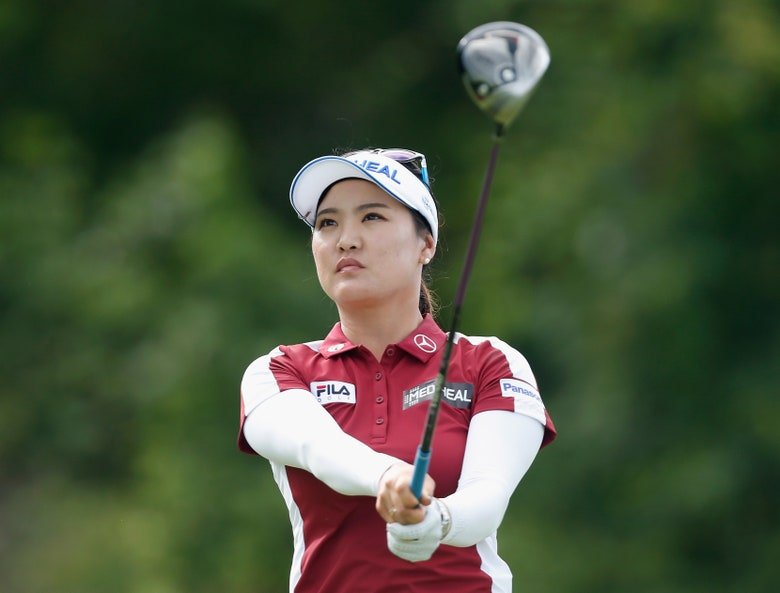
About her new coach Cameron McCormick, she says:
In fact, the "Down Under Team" who have been helping her -- yes, all named in the article, for those of you who want to know -- all focused, in one way or another, on her mental game.
This article tells the kind of changes she had to make in all areas of her game in order to get where she is now. I think most of you will find at least one thing that will help you if you take time to read it.
About her new coach Cameron McCormick, she says:
“Cameron has helped me enormously with my swing. I now have a much better understanding of what I am trying to do, to the point where I can often fix my swing in the middle of a round. Not always, of course. But even when I can’t, I now know what I am doing wrong. And that is always the first step to fixing something. I don’t have to rely on him totally.It appears that many of her problems stemmed from the simple problem of having her clubface too open at impact. Bear in mind that she won the 2011 US Women's Open that way, so it wasn't a horrible fault by any stretch of the imagination. But it affected her strategy on the course, and it was keeping her from breaking into the Top5 of the Rolex Rankings. She had to learn a new mental approach in order to change.
In fact, the "Down Under Team" who have been helping her -- yes, all named in the article, for those of you who want to know -- all focused, in one way or another, on her mental game.
This article tells the kind of changes she had to make in all areas of her game in order to get where she is now. I think most of you will find at least one thing that will help you if you take time to read it.
Sunday, July 16, 2017
Why the LPGA Players Are So Consistent
Here's a link to a Golf Digest article about how the LPGA players practice, based on info from Gary Gilchrist's protege Bill Schmedes III. He says it isn't about distance with the women.
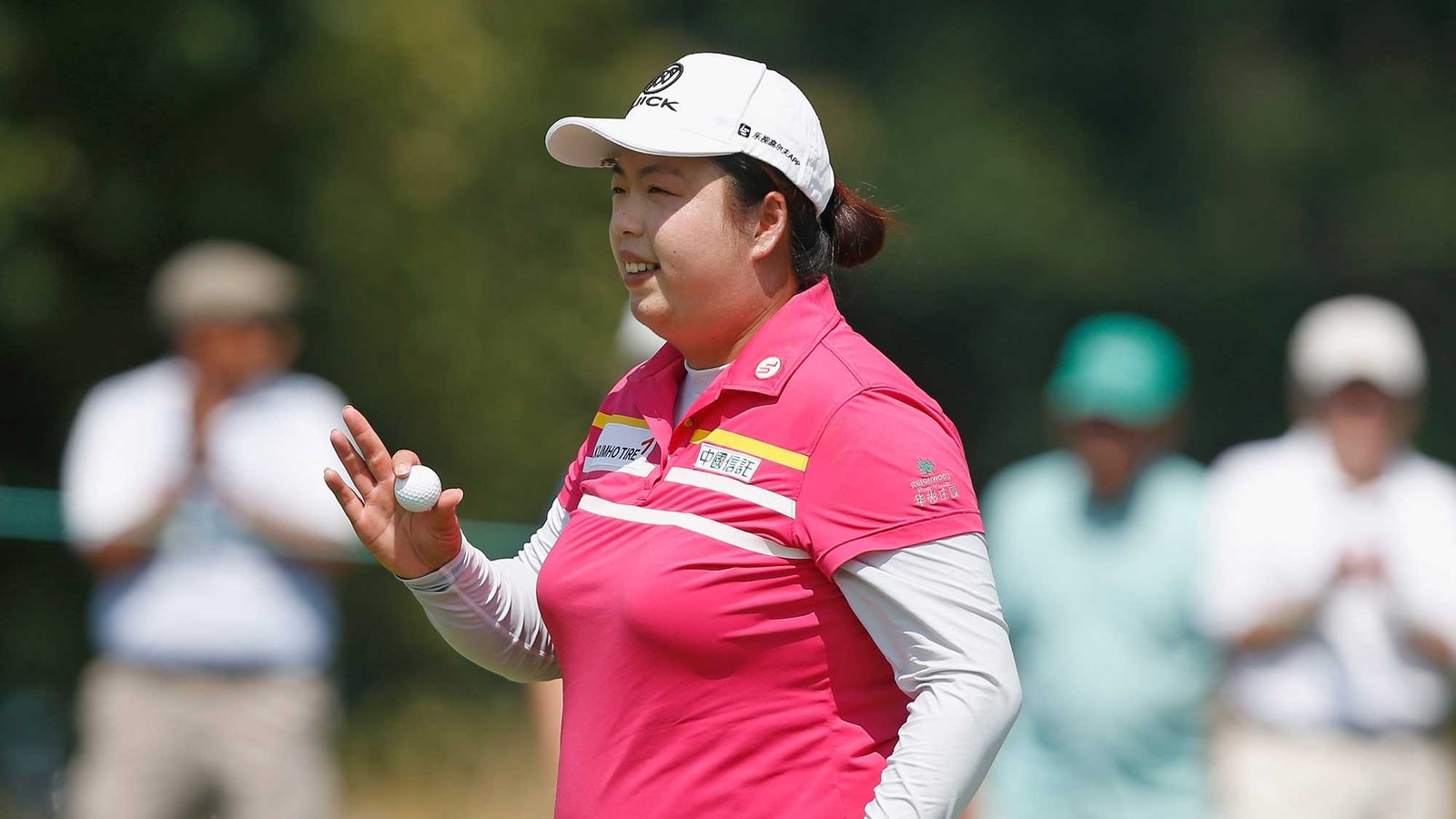
The article isn't long (that's appropriate, don't you think?), but it's very informative. Here's a quick quote from it:
Short hitters of the world, take heart! There's more than one way to lower your score, and you might not need longer drives to do it.
The article isn't long (that's appropriate, don't you think?), but it's very informative. Here's a quick quote from it:
Schmedes says that the women on the LPGA Tour aren’t trying to get longer, they’re trying to get more consistent. You can hit it as far as you want, but if you don’t know where it’s going, you’re in trouble. The overriding philosophy right now is that it’s more important to know you can be in the right place on the fairway than know you’re the longest on tour. In turn, more time is spent on developing a predictable shot shape than trying to be long.Every time you hear the announcers talk about how you need a power game to win -- and they say that about every tour -- take a good look at how the winners get it done. Even when a big hitter does win, it's less about distance than you might think. For example, when big hitter Brooks Koepka won the US Open a few weeks back, he set a US Open record for accuracy... and short-hitting Brian Harmon's driver deserted him during the final round, where he hit about 50% of his fairways. That was over 30% fewer than in the rest of his rounds.
Short hitters of the world, take heart! There's more than one way to lower your score, and you might not need longer drives to do it.
Wednesday, June 21, 2017
Raymond Floyd on Understanding Angles
I think that Ray Floyd is one of the most underestimated strategists to have played the game. Here's a short section from his book The Elements of Scoring, where he talks about the importance of understanding angles.
I recommend his book, simply because it's fairly compact and gets right to the point. The paperback is still in print so if you're interested in checking out, here's the link to Ray's book on Amazon. And no, I don't make any money if you order one. I just happen to think it's one of the better strategy books you can get.
Scorers know the most efficient route to get around a golf course. The key to keeping the ball in play and leaving the easiest possible shot is in understanding angles.As you can see, Raymond doesn't mince words; he just lays it out there clearly.
Off the tee, take into account what your shot pattern is, and what side of the fairway it's best to be on. If the trouble is on the left, or you simply want to come into the green from the right, tee up on the left side of the tee. If the situation is the opposite, tee on the right.
Generally, faders and slicers should hit from the right side of the tee, while drawers and hookers should start on the left. The idea is to give your curve the widest sweep possible to get in the fairway.
On par 3s, give yourself the angle that gives you the most landing area on the green. If you're shooting at the pin, in general you should tee the ball up on the side opposite the area of the green where it's cut. The idea is to open up the green, expanding the size of the safe landing area on the putting surface.
Angles are increasingly important the shorter and lower you hit the ball. If you are this kind of player, you can't carry trouble as well and will have to make use of openings between bunkers and hazards to roll up onto the green. Also, because your approach doesn't land as softly and carry as much spin as a player who hits it higher and farther, you need more room to stop the ball. Play your tee shots to create the angle that will give you the most green to shoot to, and try to avoid approaches that force you to carry a bunker to a tightly cut pin. Whenever possible, know where on the green the pin is cut before hitting your tee shot.
The final angles are around the green. Unless you are particularly adept at the quick-stopping lob shot, make an effort to avoid missing the green on the side closest to the pin. This is called "getting shortsided." Favor the wide side, from which the recovery is easier because you have more green to play to. (p52-53)
I recommend his book, simply because it's fairly compact and gets right to the point. The paperback is still in print so if you're interested in checking out, here's the link to Ray's book on Amazon. And no, I don't make any money if you order one. I just happen to think it's one of the better strategy books you can get.
Tuesday, June 6, 2017
The Full Garret Kramer Interview (Video)
Some of you may have seen the Golf Central segment Monday night where Brandel Chamblee talked with sports psychologist Garret Kramer. Well, here's the full 20-minute interview which is being shown piecemeal this week.
I still need to go through it all myself, but I was fascinated to hear a sports psychologist say that a pre-shot routine isn't always a good thing for you. I also liked the fact that much of what he said applied to everyday life -- and that he used everyday life examples, as opposed to just sports examples.
His book is called Stillpower: Excellence with Ease in Sports and Life and I was surprised to find Amazon selling the Kindle edition for only $1.99. So I've bought a copy of it and will see if I can work it into my reading schedule sometime soon. In the meantime, check out the video.
I still need to go through it all myself, but I was fascinated to hear a sports psychologist say that a pre-shot routine isn't always a good thing for you. I also liked the fact that much of what he said applied to everyday life -- and that he used everyday life examples, as opposed to just sports examples.
His book is called Stillpower: Excellence with Ease in Sports and Life and I was surprised to find Amazon selling the Kindle edition for only $1.99. So I've bought a copy of it and will see if I can work it into my reading schedule sometime soon. In the meantime, check out the video.
Saturday, May 13, 2017
Jack Nicklaus on Playing a Double Dogleg
Golf Digest just put this strategy article by Jack Nicklaus on the site a couple of days ago. The fact that it's a guide to playing double dogleg holes is awesome enough -- but the hole he uses is the par-4 12th hole at Erin Hills, the site of this year's US Open. This is a chance to get a good strategy lesson from Jack, as well as a first look at the unfamiliar course.
Check out the article at Golf Digest first, then come back and click on the diagram below. It'll open a window. Right-click and choose "view image," and you'll be able to enlarge the graphic so you can read all of Jack's notes.
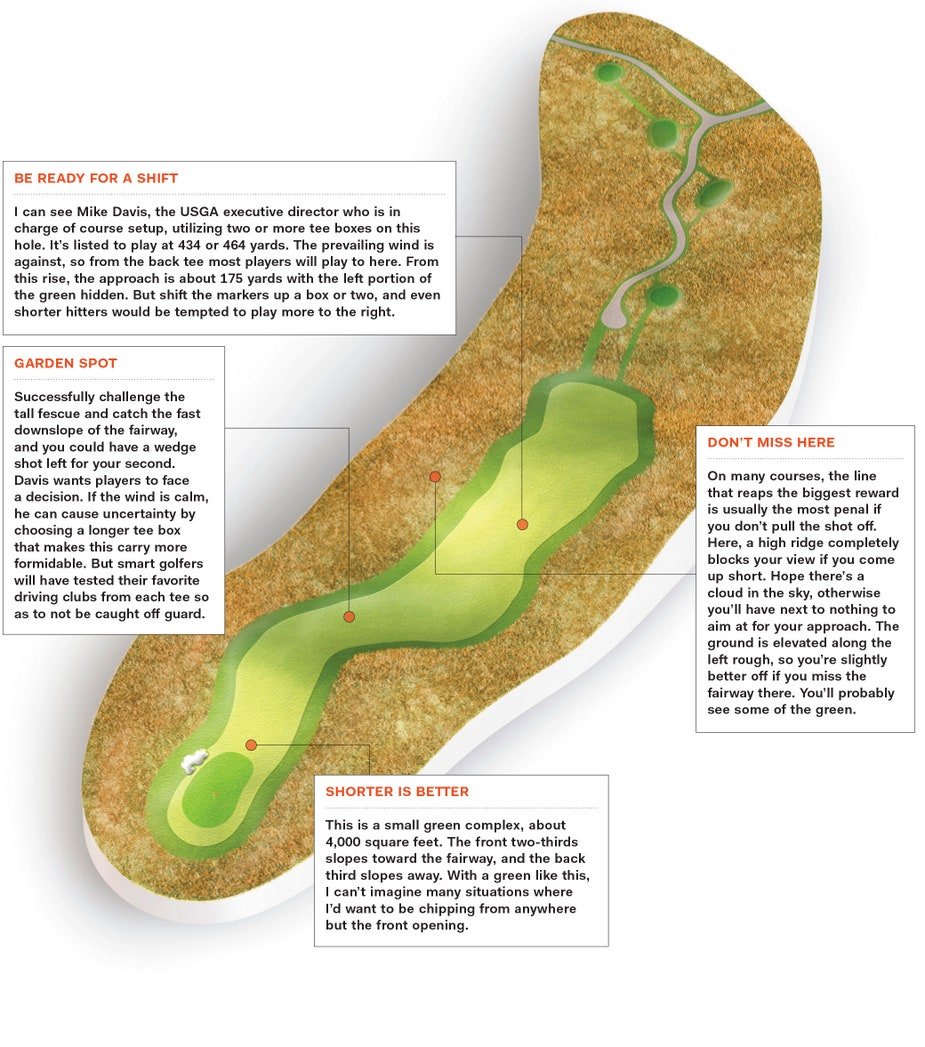
Of all the tips included in the diagram above, the one that stands out to me most is labeled Shorter is Better. Jack says that the green is so small that he can't imagine many situations where he'd want to chip from anywhere but the short grass in front of the green.
THE TIP: Before you hit your approach shot to the green, decide where you want to be if you miss the green. You don't want to shortside yourself, and that's a real possibility on a small green like this.
We're only a month away from the US Open, friends. I bet a lot of the players will be studying this diagram!
Check out the article at Golf Digest first, then come back and click on the diagram below. It'll open a window. Right-click and choose "view image," and you'll be able to enlarge the graphic so you can read all of Jack's notes.
Of all the tips included in the diagram above, the one that stands out to me most is labeled Shorter is Better. Jack says that the green is so small that he can't imagine many situations where he'd want to chip from anywhere but the short grass in front of the green.
THE TIP: Before you hit your approach shot to the green, decide where you want to be if you miss the green. You don't want to shortside yourself, and that's a real possibility on a small green like this.
We're only a month away from the US Open, friends. I bet a lot of the players will be studying this diagram!
Subscribe to:
Posts (Atom)